Before we dive straight into it....what is a keto diet? The core idea of this popular way of eating is to improve your body's capability for weight loss. The diet claims that you can train your body to burn its fat stores instead of burning glucose (carbohydrates) for energy. So instead of eating carbs, you fuel your body with whole foods that are rich in healthy fats, proteins, and other nutrients as your main source of energy. When there is a lack of glycogen sources available, the body has to burn fat for fuel, a metabolic state known as ketosis. In this state, the body produces acids called ketones that become your new energy tank and benefit your body in more ways than one.
With the many benefits that the keto lifestyle brings, there are all sorts of reasons that someone might choose to go on a ketogenic diet.
So... can I snack on some jerky?
If you want to snack on some beef jerky on a keto diet, check the nutrition information on the packaging so you don't go over your daily net carbs. When you go keto, you limit your net carb consumption to less than 40-50g in total per day. However, each person's max net carb will be different as body types, age, weight, and existing fitness levels have to be taken into account.
Here at The Jerky Co., we craft premium air-dried meats that only contain 7.3g of sugars per 100g of jerky. Plus, the highest nutrient per 100g serve has about 55g of protein! Also, we use quality lean cuts and absolutely zero preservatives to make our tasty low carb treats, so you can snack while staying on that keto track.
Benefits of the keto diet
As we said, the keto diet claims to help your body literally burn fat stores for energy. This means you could be a lean, mean, fat-burning machine if you keep sticking to the keto lifestyle! Research suggests that when ketones are present in the liver, your brain receives more energy. With less brain fog and a clearer state of mind, you'll be kicking all your #goals in no time.
While most sources note that the ketogenic diet was originally used to treat epilepsy, it is now said to have a ton more health benefits for the average person. The increased levels of ketones in the body can keep your blood sugar and insulin levels healthy, and even reverse type 2 diabetes and maximise weight loss. Just make sure to check with a health professional before you adopt the keto lifestyle.
Who should not go on a keto diet?
While going keto may sound like the yellow brick road to weight loss, it's no magic formula. In fact, anybody with gallbladder, pancreas, thyroid, liver issues should not risk making their conditions worse on this diet. Nutrient deficiencies and low blood pressure are some of the common side effects for people whose bodies are not designed to handle the keto diet, or for those who overdo it. While there are a number of different keto diets you can try depending on your fitness goals, whether it is to lose weight fast or to manage epilepsy symptoms, make sure to consult a medical professional before making any big changes to your lifestyle and eating habits.
What can I eat on a keto diet?
If you're still wondering "can I eat beef jerky on keto diet?" this far along, boy do you need some brain fuel. Here's the high-fat diet you should eat to enter and maintain the state of ketosis. By eating the right food in moderation, you can enjoy most types of cuisines.
Some dairy products: Pasteurised whole eggs, grass-fed butter, unprocessed cheese like blue, mozzarella, cheddar, and goat's.
Meat: Red meat, poultry, some processed meats like bacon, sausage, ham, air-dried meat like jerky and beef biltong.
Low carb fruits: blackberries, tomatoes, rhubarb, strawberries, watermelon, lemon, etc.
Low carb vegetables: non-starchy vegetables like onions, peppers, and okra, and most leafy greens.
Fatty fish: Omega-3 rich fish like salmon, tuna, and mackerel.
Nuts and seeds: pistachios, walnuts, flaxseeds, Josies, pepitas, nut butters without added sugar, etc.
Condiments: All the spices!
Food to avoid on a keto diet
While there are lots of foods you can eat on a keto diet to help you maximise the health benefits, you should also steer clear of certain choices.
Starchy grains: Pasta, cereal, rice, and any wheat-based food, etc.
Trans and saturated fats: processed oils, margarine, fast food, partially hydrogenated oils, cookies, etc.
Fruit: Most fruits, as they are high in carbs.
Starchy vegetables and tubers: potatoes, parsnips, carrots, etc.
Sugary drinks: Store bought juice, lollies, ice cream, cake, soft drinks, alcohol, milk, etc.
Sugary condiments and dressings: Anything with added sugar like ketchup and BBQ sauce. Those with zero sugar are generally fine.
Beans or legumes: Everything ranging from chickpeas to lentils
Get beefy with it
So now you know - beef jerky and keto diets go hand in hand. The next time someone asks "can I eat beef jerky on keto diet," casually drop your hot tips into the convo. Beef jerky is a convenient, mess-free, and protein-packed snack that's perfect for someone wanting tasty yet easy keto snacks. Just make sure to eat less than your daily quota of net carbs.
If you don't already know, The Jerky Co. makes some of the best beef jerky Australia has come to know and love. So quit Googling "is beef jerky keto friendly" and drop into one of our kiosks to bag yourself some jerky or rich, fatty biltong! Or snap sticks. Or droewors. Or order online and build up your air dried meat stash because we ship right to your doorstep, Australia wide.
Carbs may be delicious, but, depending on your health status and any conditions you may have, they may not be the most nourishing (or healthy) macronutrients for you to eat. However, that doesn't mean you can't enjoy your favorite typically higher-carb foods — it just means you need a bit of creativity and a few tips and tricks for making modifications. That's especially true when it comes to a classic breakfast favorite: quiche.
Traditional quiche begins with a pie crust as its base, which isn't ideal if you're limiting carbs. But, by removing the crust — or using some delicious, low-carb substitutes — you can still enjoy the delicate egg and zesty ingredient combinations that make this dish so versatile. Start diversifying your low-carb breakfast menu (or even your evening meals) with these easy crustless quiche recipes.
Crustless Vegetable Quiche
Photo Courtesy: [EasyBuy4u/Getty Images]
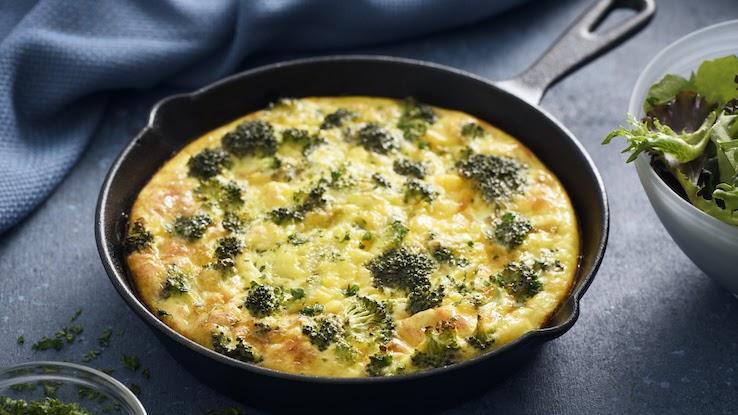
Starting the day with an array of healthy vegetables — plus the protein from eggs — on your plate is never a bad idea. That's why this crustless vegetable quiche is such a nice option: You get great flavors and all the nutritional benefits of whatever veggies you add. Plus, it's vegetarian friendly. Even if you're not fully vegetarian, there are some great reasons to try this quiche; forgoing meat once in a while and upping your consumption of fresh produce can improve your cholesterol levels, for one.
This recipe from Food.com calls for broccoli, red pepper and zucchini, though you can swap them out for other vegetables if you prefer. Mushrooms, asparagus and tomatoes are tasty options as well. All are great sources of different vitamins, minerals and fiber. Add the cheese of your choice and some salt and pepper or other spices for an easy way to change up the flavor profile.
Crustless Quiche Lorraine
Photo Courtesy: [jaker5000/Getty Images]
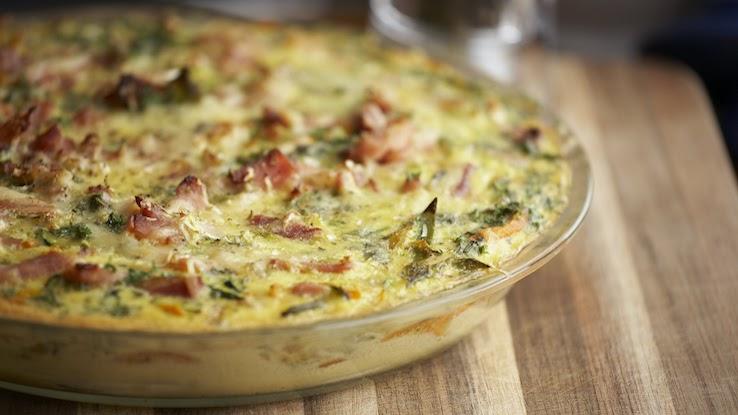
Quiche Lorraine might be one of the most classic (and best-known) recipes for this dish — and it's just as delicious without the crust. If you're looking for a keto-friendly breakfast dish that helps you reach your daily protein goals, this crustless quiche Lorraine, also from Food.com, is a top option.
Generally, people who follow the ketogenic diet get about 75% of their daily calories from fat, 20-30% from protein and around 5% from carbs. This recipe gets its fat and protein from the eggs, bacon and Swiss cheese you'll use. If you want to add a vegetable for extra flavor and nutrients, try spinach; it's relatively low in carbs but packed with healthy vitamins A and K.
Bacon Cheeseburger Keto Breakfast Quiche
Photo Courtesy: [John Rizzo/Getty Images]
Looking for more crustless quiche options that work just as well for dinners as they do your morning meals? You'll want to try this bacon cheeseburger keto quiche from Kalyn's Kitchen. It satisfies keto fat and protein requirements thanks to its ground beef, bacon, eggs and the cheese of your choice (we recommend sharp cheddar). For a little bit of low-carb veggie crunch, add a handful of green onions and pickles into the mix too — yes, pickles in crustless quiche. They really do elevate this dish with their crunch and zesty tang.
Spicy Southwest Crustless Quiche
Photo Courtesy: [yipengge/Getty Images]
For those on the keto diet who also like a little kick to their meals, this spicy Southwest crustless quiche from the folks at Wisconsin Cheese will definitely satisfy any flavor cravings. It's packed full of fat and protein thanks to its eggs, heavy whipping cream, milk and pork sausage. Add some jalapenos, green peppers and pepper jack cheese to crank up the spice level.
As with most of the quiche dishes in this list, you'll cook this in a greased pie dish at 350 degrees Fahrenheit until the edges are golden brown and the center of the quiche no longer looks runny or jiggly. It may take about 45 minutes to achieve the right cooked consistency, and you can also tell the quiche is done — as with many baked treats — when a knife inserted into the center comes out clean. Let the quiche stand for about 10 minutes to fully firm up before slicing into it.
Vegan Crustless Quiche
Photo Courtesy: [Cavan Images/Getty Images]
This one is a bit of a surprise — a unique and flavorful surprise. You already know quiche is an egg dish, and eggs aren't vegan. So you might also be wondering how a vegan version could exist. In showcasing some true culinary creativity, this vegan crustless quiche from The Spruce Eats utilizes tofu, dairy-free crumbled cheese, soy or almond milk, nutritional yeast, ground cashews and dairy-free cream cheese.
The result is a smooth, authentic crustless quiche that's perfect for people who eat a plant-based diet or those who are allergic to eggs. In addition to its healthful egg-free base, it's got asparagus, garlic and turmeric to spice things up just right. You can always add or substitute your preference for other veggies as well; consider using what's in season to enjoy them at their peak of freshness.
Kale and Feta Crustless Quiche
Photo Courtesy: [Kale and Feta Crustless Quiche/Eating Bird Food]
Eating Bird Food's kale and feta crustless quiche recipe is an easy yet flavorful low-carb meal that makes for not only a delicious breakfast but also an ideal main course for lunch or dinner. Simply pair a slice with a cup of soup or a salad to create a well-rounded meal. As an added bonus, this recipe is a little different from other basic crustless quiches, which can keep your taste buds on their toes while giving you a nutrient boost at the same time.
Aside from the kale, feta and eggs — its star ingredients — this recipe uses coconut oil, almond milk, mushrooms, garlic, nutmeg and parsley. And here's an interesting tidbit of information about kale: It's a superfood that's chock-full of vitamins and minerals — but that's also low in calories and carbs.
Low-carb diets limit the number of carbohydrates a person eats. Instead of carbs, people focus on eating proteins, healthful fats, and vegetables.
Carbohydrates or carbs are one of three main food types that the body needs to work properly. The other two are protein and fat. Carbs give the body energy. The body breaks carbs down to use immediately or later.
If the body does not need to use the carbs for energy as soon as a person eats them, it stores them in the muscles and liver to use later. However, if the body does not use these stored carbs, the body converts them to fat.
Many people find following a low-carb diet challenging, particularly at the beginning of the diet. The following low-carb diet tips might help people stick to their diet and may help them lose weight successfully.
1. Knowing what foods are low-carb
Low-carb foods include:
lean meats, such as sirloin, chicken breast, or pork
fish
eggs
leafy green vegetables
cauliflower and broccoli
nuts and seeds, including nut butter
oils, such as coconut oil, olive oil, and rapeseed oil
some fruit, such as apples, blueberries, and strawberries
unsweetened dairy products including plain whole milk and plain Greek yogurt
2. Know the carb counts and serving sizes of foods
Most low carb diets only allow for 20 to 50 grams (g) of carbohydrates per day. Because of this, it is essential that people following low-carb diets choose foods that have a lower carb count but a high nutritional value per serving.
The foods in the quantities listed below all contain approximately 15 g of carbs:
1 tennis ball sized apple or orange
1 cup of berries
1 cup of melon cubes
½ medium banana
2 tablespoons of raisins
8 ounces of milk
6 ounces of plain yogurt
½ cup corn
½ cup peas
½ cup beans or legumes
1 small baked potato
1 slice of bread
1/3 cup of cooked rice
While the foods listed above all contain roughly equal amounts of carbohydrates, they are not all nutritionally equivalent. The dairy products on the list contain protein and vital nutrients, such as Vitamin D and calcium in addition to the carbohydrate content.
The fruit and vegetables also contain essential vitamins and minerals. Choosing whole-grain varieties of bread and rice will provide more nutrients than white varieties, even though the carb content is similar.
3. Make a meal plan
Share on PinterestA meal plan can help a person organise their food for the forthcoming week.
A meal plan can help make things easier.
Anyone trying to follow a low-carb diet could try mapping out their week and plan all meals before heading to the grocery store.
Planning meals in advance can help people stick to the diet.
Knowing what they are going to eat for lunch and dinner can help a person avoid making unhealthful food choices, such as stopping at a fast food restaurant.
Meal planners are available for purchase online.
4. Meal prep
Planning is one thing, but preparing meals ahead of time can also help. Meal prep can help a person:
avoid making unhealthful food choices
save time during busier times of the week
save money
Some people like to prepare a week's worth of breakfasts and lunches ahead of time and store the meals in containers, so they are convenient and ready to go. It is possible to freeze some meals too, meaning people can prepare even more food in advance.
Having lots of pre-prepared meals on hand can help people avoid choosing less healthful options.
Popular low-carb meals to prepare in advance include:
egg muffins
Greek yogurt bowls
protein pancakes
chicken lettuce wraps
protein and vegetable stir fry with no rice
5. Carry low-carb snacks
Low-carb snack options for between meals include:
hard boiled eggs
unsweetened yogurt
baby or regular carrots
handful of nuts
cheese
It is essential to regulate portion size of any snacks to avoid overeating.
6. Consider carb cycling
Carb cycling involves eating very low-carb foods for a set amount of days, followed by one day of eating higher carb meals. This helps the body avoid fat-burning plateaus that can develop after weeks of low-carb dieting.
Carb cycling is not for everyone, and anyone considering it should talk to their doctor or nutritionist first.
7. Not all carbs are created equal
Carbs come in different forms.
Simple carbs consist of easy to digest sugars. Refined and processed carbs, such as white sugar and white flour, are simple carbs.
People who are starting on a low-carb diet need to think about reducing their intake of refined and processed carbs. Avoiding these carbs will be beneficial for reaching an ideal weight and for health in general.
However, not all simple carbs are created equal. Fruits include fructose, which is a simple carb, but eating fruit is recommended in a low-carb diet, as it is loaded with nutrients and is a whole-food source of carbs.
Complex carbs take longer to digest than simple carbs, as they need to be broken down into a simpler form. Complex carbs are found in more nutrient-rich foods, such as beans, whole-grains, and fiber-rich fruits, such as bananas.
Complex carbs also have the added benefit of making a person feel full faster, which might prevent them from overeating. Complex carbs also make people feel full for longer, which might help them avoid snacking between meals.
8. Be aware of alternatives
Substituting low-carb or no-carb foods for high-carb foods can help reduce carb intake.
Some low-carb substitutions include:
lettuce leaves instead of taco shells
portobello mushroom caps instead of buns
baked butternut squash fries
eggplant lasagna
cauliflower pizza crust
spaghetti squash instead of noodles
zucchini ribbons instead of pasta
9. Exercise appropriately
Exercise is an important part of overall health. People should avoid a sedentary lifestyle but refrain from excessive exercising.
The Centers for Disease Control and Prevention (CDC) recommend that adults do moderate exercise for 150 minutes a week for a minimum 10 minutes at a time for moderate health benefits. For optimal health benefits, the CDC recommend 300 minutes of exercise. The CDC also suggest that people lift weights or do other strength training exercises to improve overall health.
Those on low-carb diets may want to avoid long periods of intense activity such as distance running. This is because people who are doing a form of exercise that requires extra endurance, such as marathon training, will need extra carbohydrates to fuel their bodies.
10. Use common sense
People should know about potential health risks before starting a low-carb diet.
Short-term health risks caused by a low-carb diet may include:
cramping
constipation
palpitations
high cholesterol
headaches
brain fog
lack of energy
nausea
bad breath
rash
reduced athletic performance
Long-term health risks caused by a low-carb diet may include:
nutritional deficiencies
loss of bone density
gastrointestinal problems
Some people should not follow a low-carb diet unless instructed to do so by a doctor. These groups of people include those with kidney disease and teenagers.
Not everyone will benefit from, or should even consider, a low-carb diet. Anyone thinking about doing a low-carb diet should speak with a doctor before starting.
Share on PinterestEggs are a low-carb food.
Many people follow low-carb diets on the basis that if the body does not receive extra carbohydrates, it will not store excess fat.
The idea, then, is that the body will burn some of the stored fat rather than the carbs, which will promote fat loss.
Research from 2003 in the New England Journal of Medicine found that people who followed a low-carb diet lost more weight than those on a low-fat diet after 6 months, but not after 12 months.
The study noted that "longer and larger studies are required to determine the long-term safety and efficacy of low-carbohydrate, high-protein, high-fat diets."
A low-carb diet can have some benefits, including weight loss. With some planning and appropriate substitutions, most people can follow a low-carb diet. However, a low-carb diet may not be the best way to achieve long-term or sustainable health goals.
When following a low-carb diet, it is essential that people eat healthfully and do not overeat certain foods, such as very fatty meats.
People looking to lose weight or considering going on a low-carb diet should speak to their doctor or nutritionist before making any significant changes.
Unless you're a child, you've probably heard cautionary tales from your doctor about the dangers of high cholesterol. It has been linked to heart-related conditions such as atherosclerosis and an increased risk of heart attack or stroke. Cholesterol is a critical component in evaluating your heart health, so if your doctor has ever ordered blood work for you as part of a routine exam, it probably included information about your blood cholesterol levels.
If you aren't familiar with how cholesterol works, it is a waxy substance that moves through your bloodstream to different parts of the body that need it to form new cells. Although your body must have a certain amount of cholesterol, the liver already produces all the cholesterol you need, which means that consuming foods with high amounts of cholesterol could cause excess cholesterol to build up in your blood vessels and cause blockages. To minimize this risk, it's important to keep your LDL (low-density lipoproteins) low and your HDL (high-density lipoproteins) high. You can usually accomplish this by eating a low cholesterol diet and getting plenty of exercise.
For most people who don't have hereditary conditions that cause high cholesterol, dietary changes can help lower bad cholesterol (LDL) levels and increase good cholesterol (HDL) levels. Meal plans that focus on heart health, such as diets recommended by the American Heart Association and the National Heart, Lung, and Blood Institute, will generally help improve cholesterol levels.
These eating plans focus on reducing saturated fats to no more than 5% to 6% of your daily calorie intake and trans fats to zero or at least very minimal levels. This generally means eating very little red meat and avoiding dairy products made with whole milk, such as many cheeses. Instead, your meals should include plenty of heart-healthy poultry, fish and nuts for protein as well as whole grains, fruits and vegetables. Fish containing high levels of omega-3 fatty acids make the best option.
Only healthy oils like vegetable oil should be used and only occasionally. The amount of cholesterol consumed in a day should not exceed 200 milligrams. Incorporating foods with high levels of soluble fiber into your diet is also a great choice. High-fiber diets have reduced cholesterol levels by up to 10% in some people. Sodium has been linked to high blood pressure and is another ingredient to limit when choosing your foods.
Cooking Practices for Lowering Cholesterol
Cooking meals to help lower your cholesterol doesn't have to mean serving boring, unappealing dishes with no flavor that no one in your family will enjoy. When you cook with whole ingredients and healthy fats and minimize sodium, you can prepare recipes that are delicious and satisfying that also promote good heart health.
When you cook meat, start by minimizing the amount of saturated fat by selecting the leanest cuts and trimming off any visible fat. Broil, roast or bake meats instead of frying them, preferably using a pan with a rack that separates the cooking meat from the fat drippings. For poultry, always remove the skin and remember that chicken and turkey have less fat than duck and goose. Ironically, the best fish options include oily fish that are high in omega-3 fatty acids, such as salmon and trout. Processed meats like bologna and hot dogs should always be avoided.
Sheet pan cooking is one simple example of creating a complete meal using a single pan filled with ingredients that are baked in the oven. Simply choose a lean meat like chicken breast or wild-caught salmon, cut it up into bite-sized pieces and place it on a baking sheet sprayed with a vegetable-based cooking spray. Add chunks and slices of onions, bell peppers, red potatoes, broccoli, asparagus, green beans and other fresh vegetables. Sprinkle a little extra-virgin olive oil on the vegetables and season with your favorite salt-free seasonings. Bake at about 400 degrees Fahrenheit for about 20 to 30 minutes until the meat is fully cooked and the vegetables are tender.
Eating Fruits and Vegetables to Lower Cholesterol
Doctors recommend adding a wide variety of fresh fruits and vegetables to your diet for many reasons, including controlling cholesterol levels. However, vegetables boiled in a pan on the stove without the addition of delicious bacon fat may not hold a lot of appeal for your family. Try a different approach with vegetables by cooking them in a small amount of healthy oil — 1 to 2 teaspoons for about 4 servings — with your favorite salt-free seasonings added to boost the flavor.
Fruits are delicious served fresh, but they can also help you cut cholesterol in some recipes. Try using pureed or mashed fruits in muffins, cakes and cookies in place of oil. It cuts the saturated fat content and gives the sweets a whole new enhanced flavor profile. Cooked apples in muffins and mashed bananas in banana bread are great examples.
Eating Whole Grains to Lower Cholesterol
When the goal is heart health, whole grains serve the body much better than refined grains like white flour and white rice. When eating breads and grains in your diet, it's easy to make some simple replacements that still taste delicious. For example, swap whole grain breads for other breads, including many wheat breads, which aren't automatically whole grain. Use brown rice in recipes instead of white and choose a whole grain or veggie pasta instead of traditional pasta.
Plant Sterols and Supplements for Lowering Cholesterol
Sterols are natural substances found in plants that help lower cholesterol levels in the blood by blocking the absorption of cholesterol. LDL cholesterol levels could be reduced by 5% to 15% simply by adding 2 grams of plant sterols to your diet. They occur naturally in fruits, vegetables, nuts, legumes and other plants and are sometimes added to other products like orange juice and margarine.
Certain other ingredients and supplements could help lower your cholesterol, although the results aren't always consistent. Artichokes, barley, blond psyllium and oat bran could possibly reduce total cholesterol and LDL cholesterol. Flaxseed, soy protein and green tea may reduce LDL cholestrol. Taken as a supplement, niacin could possibly reduce LDL cholesterol and increase HDL cholesterol. Garlic has been a popular option for lowering cholesterol for a while, but its success has not been proven. Another supplement, red yeast rice, could be dangerous due to naturally occurring lovastatin and should be avoided.
We earn a commission for products purchased through some links in this article.
While the most famous is Atkins, there are other low carb diets for weight loss that many people have success with. But are they right for you?
Registered dietician Claire Muszalski told us, "Low carb diets for weight loss have been popular for years. Most of their popularity is based on their promises to help followers lose weight fast or health benefits. According to Diabetes UK, these benefits include lower blood sugar levels and less risk of hypos, more energy and focus, fewer cravings for sugary or junk foods, and a reduced risk of long-term health problems associated with diabetes.
However, there are often unwanted side effects. These most commonly include bad breath, constipation, and headaches. But in extreme cases can lead to more serious illness, such as heart disease and cancer – in part due to the high animal fat content.
While many dieticians recognise low carbs diets can be good for weight loss, they'd also advise against cutting out entire food groups for a long period of time. Claire told us: 'In general, low carb diets work because you are likely reducing your overall calorie intake by cutting out many high calories or low nutrient density foods. I believe in limiting portions and following a plan that is sustainable for your lifestyle but would always hesitate to suggest a diet pattern that completely cuts out any food groups. Eliminating all healthy wholegrains or fruits, for example, can leave you at risk for nutrient deficiencies in the long run,' she warns.
On the keto go high on fat, medium on protein and very low on carb. (Credit: Getty)
Our advice? Check with your doctor first – in case a low carb diet clashes with any health conditions or lifestyle activities – and follow a low carb diet for a short period. When you go back to eating normally, limit refined carbs and sugar. Focus on eating a moderate amount of carbs – no more than 260g a day for adults (half that for people managing type 2 diabetes). And choose healthier fibre-rich sources, such as fruit and veg, pulses and wholegrains.
Low carb diets for weight loss
Here are five of the most well-known low carb diets for weight loss. While they'll all help followers shed a few pounds, some plans can be stricter than others.
Claire told us, "Carbohydrates trigger the release of insulin, a hormone that leads to energy (or fat) storage,". Lower your carb intake and you enter ketosis. This is when the body starts to burn stored fat for energy instead of carbs. Some diets allow you to reach ketosis quicker and for longer, and people reach ketosis at different points – lifestyle, diet and size all affect the time it takes to reach this state. Only very low carb diets can keep you in a constant state of full ketosis; on others, you'll move in and out of it."
Research indicates that following a low carb diet keeps the weight off long-term. 'A 2018 study in the British Medical Journal showed that a low carb diet supports weight loss maintenance,' she says. However, although a 2012 study backed up this success it found that higher protein intake was a key factor.
1. The Atkins Diet
The most famous of all the low carb diets for weight loss, the Atkins diet was devised in the 1970s by an American doctor called Robert Atkins. It became hugely popular in the 2000s and has evolved over the decades. For example, it now includes more fibre and exercise.
The diet works on the premise that carbohydrates – particularly refined carbs – can cause health issues. These include weight gain, heart problems and blood sugar spikes that lead to insulin resistance. By restricting refined carbs, the body enters ketosis and this is how weight loss occurs.
It is thought that following the Atkins can help you lose weight quickly. Atkin's literature states that up to 15lb can be lost in the first two weeks, although some of this will be 'water weight'. In reality, after an initial weight drop, the average person is more likely to lose 1-2 pounds a week. According to clinical trials when followed correctly for a year the Atkins can help people to lose weight and keep the weight off – although another study indicated that weight loss plateaus at six months.
This low carb, high protein meal is ideal for Atkins. (Credit: Getty)
Claire explains: 'The Atkins is a very low carb, high fat, high protein diet for weight loss, that gradually reintroduces carbs after the weight loss goal is met.' There are four phases to the Atkins and you need to stick to these to see results. In Phase 1 followers eat less than 20g carbs a day. This is alongside protein and fats such as red meat, chicken, fish, and seafood; cheese and eggs; healthy fats such as olive oil and avocado; nuts and seeds; and non-starchy vegetables.
After two weeks, Phase 2 begins. Carb intake is slowly increased from 20g, to 25g, to 30g over a few weeks, and fruit and more dairy and fiber-rich foods are allowed. Phase 3 allows for more healthy carbs such legumes and wholegrains. Here, weight loss continues but starts to slow down. Once the desired weight loss is achieved and maintained for a month, followers enter Phase 4. Also known as the lifelong phase, you'll need to monitor your weight to see how many carbs you can tolerate without gaining pounds. This is usually 40g-120g carbs a day depending on the person.
David Stache, sports nutritionist at Instant Knockout, also explains that if part of the problem is your addiction to carbs the Atkins can rebalance your eating patterns.
He says: 'If you're struggling with carbs, always at the biscuit tin and can't say no to a meal deal, then the rigid structure and guidelines of the Atkins diet can act as a way of breaking that cycle and your emotional fix with carbs.'
PROS:
The high protein and fat content leaves followers feeling less hungry than other low carb diets
It also includes 'treat' foods such as cheese, so you don't necessarily feel deprived
It can help reset carb cravings
Low-carb diet has been proven to help balance blood sugar levels and regulate insulin, which can help manage the symptoms of type 2 diabetes
CONS:
Like many diets, the Atkins is restrictive
While you don't need to calorie count or control portion sizes, you do need to carb count by looking up the carb content of everything you eat
Side effects include bad breath, constipation, dizziness, fatigue, and headaches
Avoiding whole food groups can make for nutritionally unbalanced meals
Followers have reported low blood sugar and kidney problems
Research shows, eating high amounts of fat and protein may increase your risk of heart problems and even cancer
2. The Keto Diet
Claire told us, "The ketogenic diet is an extremely low carb – less than 20-50g per day. It's also a high-fat diet, most calories come from fat. That makes your body burn fat because carbs are not available."
Again, this is to bring the body into a state of ketosis, which – if you're successful – helps you lose weight quickly. Most low-carb diets work on this premise, but keto is perhaps one of the more intense options to follow because the carb content is so low. This can make it harder to stick with.
Because most of the keto diet's calories come from fat (up to 90 percent, according to Harvard Health) – much of which are from saturated fat, you run the risk of consuming too much 'bad' fat. To avoid this, choose as many healthy fats as possible, which you can source from avocados, nuts and olive oil.
Followers also eat a moderate amount of protein and a very small amount of carbs. A typical list of foods for the keto includes meat such as chicken, fish, high fat dairy, leafy greens, non-starchy veg such as cauliflower and broccoli, nuts and seeds, avocados, berries and other fats such as coconut oil and olive oil.
Paleo meals concentrate on food our ancestors would hunt or forage for. (Credit: Getty)
Avoid all grains, rice bread and other carbs. Starchy veg such as potatoes and squash, legumes, and most fruit and sugar are off the menu, too.
The keto diet was originally used by doctors – with some notable success – to treat epilepsy in children. It has since been used as a potential therapy to slow the progression of other neurological conditions such as motor neurone disease (known as ALS in the US) and Alzheimer's. Most people now know it as an effective weight loss tool; however, the jury is still out as to whether the keto qualifies as a safe long-term eating plan.
As with any diet – but perhaps especially important with diets that forgo particular food groups – it's in your best interests to see a doctor or nutritionist first. They can tailor the keto to your needs and monitor your weight loss and side effects.
Ketosis can also decrease the body's level of the 'hunger hormone' gherlin and in doing so help curb cravings. 'If you want to improve how your body utilises fat as a fuel, the keto diet does offer benefits as a nutritional strategy,' says David.
PROS:
The keto diet has helped many people lose weight quickly
Followers have reported losing 1-10lb in the first week depending on their size – although it's worth noting a proportion of this will be water weight
It can be an effective way to manage symptoms in some neurological conditions, too
Research suggests that it reduces obesity and "improves glycemic control" in those with type 2 diabetes is promising
For carb addicts, it can reset their relationship with food.
Can help reduce carb and sugar cravings
CONS:
It's very restrictive and requires sticking to a rigid eating plan
Like all low carb diets, you may suffer from brain fog, fatigue, irritability or constipation
The amount of saturated fat in the keto may increase your 'bad' cholesterol
There is also the potential for liver issues or kidney problems due to the overload of fat and protein in the system
The lack of a major food group can lead to nutrient deficiencies
Diabetics should always check before starting the keto, as should people on blood pressure medication
3. The Paleo Diet
Also known as the 'caveman diet' (paleo is short for paleolithic) the paleo diet mimics what our pre-agricultural ancestors ate – natural foods that aren't cultivated or processed.
This, say paleo aficionados, curbs obesity and certain medical conditions that our predecessors weren't known to experience. It is one of the best low carb diets for weight loss and clean living.
Claire tells us: 'Based on our ancestors' diets, the paleo consists mostly of meat, fish, certain vegetables and fruit.' It also includes nuts and seeds, certain oils and some eggs. Paleo recipes are generally quite simple to follow.
'There are no grains or dairy products,' adds Claire, as both are cultivated by humans. If you follow a paleo diet you eat only what you could hunt or forage.
One of the most popular low carb diet for weight loss, it's a good option if you want to make long-term changes to your life. Especially if you fight constant tiredness or are concerned – or allergic to – any chemicals, additives, pesticides, antibiotics or preservatives in food.
It's better to eat grass-fed, non-processed meat and organic eggs and fruit and veg. This is so the food is as nutritious as it can be, and so you avoid consuming any pesticides. While this is a positive move, it can put a significant dent in your grocery budget. Vegans could follow a version of the paleo called the pegan diet.
Dr Loren Cordain, author of The Paleo Diet: Lose Weight and Get Healthy By Eating The Food You Were Designed To Eat and an authority on the subject, recommends following the paleo in three stages.
The first is 'Entry Level' where you continue to have three 'open' (treat) meals a week. This is when you can eat pasta, or drink coffee and alcohol, to help with the transition. Stay on this level until your mind and body are ready for the next stage. Maintenance Level' is when you only have two open meals a week. This is eventually followed by the third stage – Maximum Weight Loss Level. You are only allowed one open meal a week.
There's also some indication that a paleo diet can improve metabolic syndrome ("the medical term for a combination of diabetes, high blood pressure and obesity" according the NHS). Studies also suggest that it can be beneficial in the management of type 2 diabetes and some risk factors for cardiovascular disease.
Nutritionists tend to be cautious of eliminating whole food groups – for good reason. We get much of our calcium, for example, from dairy, and B vitamins from wholegrains.
For David, the main benefit of the paleo is for those of us who often eat on the run. 'If you're a basic cook and rely on fast food for your nutrition, the paleo offers a basic list of ingredients to eat from and build your culinary skills,' he says.
Be wary of the paleo food industry, too. 'I've never seen a photo of a caveman eating a brownie,' says David. 'Don't kid yourself that a paleo brownie is a thing,' he warns
Our ancestors were a lot more active than we are in our current society, so the need to exercise daily should be taken into account.
PROS:
The paleo is more of a lifestyle choice than a quick-fix diet
There is very little sugar, salt and alcohol and an onus on wild, lean meat, and non-starchy fruit and veg
You can eat some healthy fats (such as walnut and avocado) and natural sugar from the likes of honey
This clean eating philosophy is arguably kinder to your health and to the planet
Paleo can make mealtimes more interesting. You can eat steak for breakfast if you wish – a definite perk for some
You can eat as many allowed foods as you want – good news if you have a big appetite.
Can improve metabolic syndrome
May be beneficial for managing type 2 diabetes
CONS:
It's a strict diet that requires a period of adjustment then ongoing commitment
If you love certain food groups such as dairy or legumes (e.g. beans, chickpeas or peanuts) it may be a step too far
It's very tricky – though not impossible – to follow if you are vegetarian
Eating only organic produce can be expensive
Requires daily exercise
4. The Dukan Diet
'You don't lose weight when you're hungry,' said French physician Pierre Dukan, who created the Dukan diet, an eating plan 'focused on lean protein sources and lower fat intake than some other low carb diets but with a heavy focus on animal-based foods,' says Claire.
Like the Atkins it has four phases. These are Attack, Cruise, Consolidation and Stabilisation. And the Dukan only allows 100 specific low-fat foods. There are 68 pure protein sources such as meat, fish, seafood, tofu, eggs and low fat dairy. Eat these in the first 2-5 Attack days (the duration depends on your age and how much weight you need to lose) to stimulate the metabolism and trigger weight loss. Next is the Cruise phase. You'll stay here until you've reached your desired weight. In this phase, you can also eat from a range of 32 vegetables. You will alternate between pure protein days and protein-plus-vegetable days.
In the Consolidation phase you can eat more foods. These include a daily piece of fruit, some hard cheese and wholegrain bread, plus two guilt-free meals a week. You must have one pure protein day a week. This phase is not not about losing weight but not regaining what you've lost. In the Stablization phase, you can eat what you want. However, you must continue to have a pure protein day once a week.
It's also necessary to eat 1.5-3 tablespoons of oat bran a day (depending on which phase you're in). Oat bran is an excellent source of fibre and the only carb allowed in the Attack phase and on pure protein days. It helps provide a feeling of fullness, slows down the absorption of sugar and fat in the gut, and keeps blood sugar stable. You should also drink 1.5 litres water a day and exercise daily.
The main benefit of the Dukan is the time scale. 'It's a relatively short term diet to drop excess weight,' says David. It also involves eating natural foods only, rather than processed options such as shakes and protein bars
It is not advisable to follow a high protein diet indefinitely. One study found that a high protein Western diet can damage the kidneys and exacerbate "the development of metabolic disease" while another study found that long-term usage in women "may pose health threats through acquiring kidney and liver disease, osteoporosis and cardiovascular disease."
'The Dukan isn't a very socially inclusive diet, either, as it's just high protein,' warns David. So, it's not one to follow if you've got meals out planned. It can also be tricky if you share mealtimes with others at home.
The Dukan is based on a specific number of foods. (Credit: Getty)
PROS:
It's a fast wat to lose weight
There's also no calorie counting
You can eat as much as you want from the 100 foods list on the days allowed
Involves eating whole, non-processed foods only
The high protein content helps control hunger pangs and food cravings
Like most low carb diets, there are promising studies that show that following a low carb diet balances blood sugar levels.
CONS:
It's a strict diet. The 100 foods (only protein and veg) can be restrictive and get boring.
There are also a lot of forbidden foods at first, which you may come to resent.
It's not nutritionally balanced as you miss out on major food groups, so it should only be used as a short-term fix.
Some of the initial weight loss will be 'water weight' not fat.
Like any keto-based diet, side effects can be unpleasant. These include bad breath, tiredness and constipation.
5. The South Beach Diet
The last of our low carb diets for weight loss, the South Beach diet is named after a Miami beach. Designed in the '90s by American cardiologist Dr Arthur Agatston and dietitian Marie Almon, the aim was to minimise the risk of heart disease from obesity and type 2 diabetes.
It's possibly the least restrictive in terms of carb intake (carb intake is significantly higher than a ketogenic diet). And it's higher in healthy fats and protein than a typical diet. There is a focus on low glycaemic index (GI) carbs, as well as fibre-rich and nutrient-rich foods. You cut simple – aka refined – carbs. This makes this diet not so much a low carb eating plan but the 'right carbs' eating plan. The NHS recommends that adults consume 260g carb a day; on the South Beach the carb intake is closer to 140g carbs. This is in line with what Diabetes UK suggests is safe for a low carb diet.
There are three phases of the South Beach. Claire explains: 'The South Beach involves different stages of reintroducing carbohydrates after a very low carb intake start.' So, phase 1 lasts for two weeks and is the lowest carb phase. Like other low carb diets, low carb intake is meant to stablilize blood sugar and insulin levels, reduce cravings and kickstart weight loss. Dieters report losing up to 13lb in this period.
During phase 1 your diet will consist of a range of foods. Eat lean meat and fish, seafood, soya, eggs, low fat cheese and yoghurt, non-starchy veg and a small amount of legumes. You can also eat some nuts and seeds and healthy oils such as olive oil. And even sugar free treats under 100 calories.
Phase 2 introduces more nutrient-dense carbs such as wholegrains. You can drink some types of alcohol, too. Dieters stay in this phase until they've reached their target weight. If you follow the plan correctly you can expect to lose a couple of pounds a week.
Enter phase 3 when you're at your desired weight. Now you can eat treat foods. The pounds can quickly creep back on though. Therefore, the plan suggests you eat as you would in Phase 2, with the odd treat.
PROS:
The South Beach diet provides a reasonable amount of carbs (after the initial two weeks)
In theory this means you're less likely to miss out on key nutrients than if you followed a very low carb diet
There's no calorie counting either
Like other low carb diets, it can manage type 2 diabetes and other health conditions
CONS:
Like any restrictive diets, you need to follow the plan closely
You'll need to invest in the South Beach diet book
You will need to incorporate exercise into your daily routine
Being in a state of ketosis carries the same risks here as it does on any low carb diet
These side effects include fatigue, irritability, headaches and nausea
Many cases of leukemia across the globe may be caused by vitamin D deficiency as a result of low sunlight exposure. This is the conclusion of a new study published in PLOS One.
Share on PinterestResearchers suggest low vitamin D levels, mediated by low UVB exposure, may be responsible for many leukemia cases worldwide.
Leukemia is a cancer of the blood cells, most commonly affecting the white blood cells, or leukocytes, that help fight infection.
There were around 352,000 new cases of leukemia diagnosed worldwide in 2012, and last year, more than 54,000 cases of the cancer were diagnosed in the US alone.
While scientists are still unsure of the exact causes of leukemia, genetic and environmental factors are thought to play a role.
A number of studies have shown that vitamin D metabolites in the blood – known as 25-hydroxyvitamin D, or 25(OH)D, which is an indicator of the body's vitamin D levels – interact with acute myeloid leukemia (AML) cells. What is more, some studies have identified low vitamin D levels in patients with AML.
While vitamin D is found in some foods, including oily fish, cheese and egg yolks, it is present in small amounts. The body's best source of vitamin D is sunlight; ultraviolet B (UVB) radiation from the sun penetrates bare skin, inducing vitamin D synthesis.
In this latest study, coauthor Cedric Garland, adjunct professor in the Department of Family Medicine and Public Health at the University of California-San Diego, and colleagues set out to investigate whether low UVB exposure and low vitamin D levels are associated with leukemia risk.
Garland and colleagues analyzed data from the International Agency for Cancer Research's (IARC) Global Cancer (GLOBOCAN) 2012 database.
Fast facts about leukemia
Leukemia accounted for around 3.3% of all new cancer cases in the US last year
Around 1.5% of men and women in the US will be diagnosed with leukemia at some point in their lives
Around 58.5% of people with leukemia survive 5 years or more after diagnosis.
Learn more about leukemia
The team looked at the age-adjusted leukemia incidence rates for 172 countries, and the cloud cover-adjusted UVB irradiance for each country was assessed using data from the International Satellite Cloud Climatology Project.
The researchers found that individuals living in countries farther away from the equator, such as the US, Australia, New Zealand, Canada and Ireland, were at least twice as likely to have leukemia as people living in countries closes to the equator, such as Nigeria, Bolivia, Samoa and Madagascar.
The association remained after accounting for sex-specific life expectancy and altitude, according to the authors.
The team explains that individuals who live farther away from the equator are exposed to solar energy that has traveled farther through the Earth's atmosphere, which reduces the amount of UVB radiation that reaches the skin.
As such, the researchers say it is "plausible" that much of the leukemia burden across the globe is a result of low vitamin D levels caused by low UVB exposure.
"Skin photosynthesis accounts for a large proportion of 25(OH)D concentration. As a result, the inverse association between cloud-adjusted solar UVB exposure and incidence rates is likely to be mediated by circulating 25(OH)D, which is highly dependent on solar UVB irradiance," they explain, adding:
"Importantly, these results suggest that increased levels of UVB irradiance and vitamin D may help prevent development of leukemia."
While the team says some key strengths of their study are the inclusion of thousands of leukemia cases from hundreds of countries and the fact the findings are consistent with results from previous studies, they admit there are some limitations.
For example, they were unable to control for other factors that may fuel differences in leukemia risk between countries. "Some of these confounders may be very influential on risk for leukemia," they note.
Still, Garland and colleagues believe the association between low UVB exposure, low vitamin D levels and leukemia warrants further investigation.
While vitamin D deficiency has been linked to a number of health problems, a recent study reported by Medical News Today suggests higher monthly doses of the vitamin may increase the risk of falls among seniors.
Vitamin D is important for maintaining a healthy body, primarily because it helps you fully maximize your body's absorption and utilization of calcium, an important mineral that we all need. When paired with calcium, vitamin D helps regulate bone remodeling and growth, ensuring healthy, strong bones. Vitamin D can also help protect older adults from osteoporosis, which occurs due to excess bone loss from aging.
Furthermore, this nutrient boosts your immune system and reduces inflammation within your body, potentially warding off future medical conditions in the process. It also plays a vital role in cell growth, neuromuscular functions and protein encoding. Studies have shown that a regular, healthy vitamin D intake can also serve as an antidepressant and make people feel generally happier. But that's not all you'll want to know about vitamin D.
Vitamin D is naturally found in certain foods and now appears in many more foods that have been fortified with added nutrients. The best sources of naturally occurring vitamin D are oily fish such as salmon, tuna, cod, sardines and mackerel. Fish liver oils are another good source of vitamin D. Small amounts of the nutrient are present in beef liver, cheese, egg yolks and mushrooms.
Photo Courtesy: Alexander Spatari/Moment/Getty Images
Commonly, vitamin D-fortified foods include whole milk, orange juice, margarine and breakfast cereals. It's important to look at the label and nutrition facts to verify that vitamin D is in a particular food you're considering. Because dairy products are often fortified with vitamin D, lactose intolerant or vegan individuals should keep an eye on their diets to ensure they get enough of the vitamin.
Sun exposure is another method of naturally obtaining vitamin D, as our bodies can create their own vitamin D upon exposure to ultraviolet (UV) rays from the sun. However, it's difficult to gauge exactly how much sun exposure can generate sufficient vitamin D, as overexposure can be harmful, too. UV rays are also known to trigger free radicals, which can lead to skin cancer if left unchecked.
It's been suggested that getting approximately 15 minutes of sun exposure between 10 a.m. and 3 p.m. at least twice a week to your face, arms, legs or back will help your body synthesize enough vitamin D. It's important to note that you can't cover the exposed area of your body with sunscreen if you choose to get vitamin D naturally. The SPF blocks UV rays and can hinder your body's ability to create vitamin D. If you're in the shade or behind a window, the rays will not get through. If the climate where you live is primarily cloudy, it's important to get your recommended amount of vitamin D via other means.
Dietary supplements are also an excellent way of obtaining vitamin D. Supplements come in two forms: vitamin D3 (cholecalciferol), which is identical to the form your body makes when exposed to sunlight, and vitamin D2 (ergocalciferol), which differs slightly from D3 in its chemical side-chain structure. There's some evidence that vitamin D3 increases and maintains overall levels slightly better than vitamin D2.
Side Effects of a Vitamin D Deficiency
Vitamin D deficiency occurs when you don't adequately absorb the nutrient or when your kidneys can't convert the nutrient to its active form. This deficiency can result in medical conditions, two of which are called rickets and osteomalacia.
Photo Courtesy: RealPeopleGroup/E+/Getty Images
Rickets, a disease characterized by a failure of bone tissues to get enough minerals, can result in abnormal, soft bones and skeletal deformities. It's most common in children. Fortunately, it isn't permanent, and kids can consume as few as 1 to 3 teaspoons of cod liver oil a day to reverse the condition.
With the help of fortified foods today, rickets is almost obsolete in the United States. Osteomalacia, characterized by soft and weak bones, is usually present in adults. It's commonly treated with an intense regimen of vitamin D replacement under the care of a physician.
Vitamin D and Other Health Conditions
Vitamin D deficiency has been linked to cardiovascular disease, and people with lower levels of vitamin D appear to be at an increased risk of having a heart attack or stroke. However, the exact relationship isn't clear, and there appears to be no benefit to cardiovascular risk in taking a vitamin D supplement.
Photo Courtesy: PixelsEffect/E+/Getty Images
Research is also ongoing to find if there's a link between vitamin D and multiple sclerosis (MS). It appears that vitamin D deficiency is linked to the development of MS, and people with MS and higher levels of vitamin D appear to have reduced disease activity.
Low vitamin D has been linked to an increased risk of contracting respiratory illnesses such as influenza A. It appears that people with low vitamin D levels are at greater risk of severe novel coronavirus (COVID-19) infection. It's not clear yet if routine vitamin D supplementation would reduce this risk.
Because vitamin D is a fat-soluble substance, it can stay in your body for several days. Thus, vitamin D poisoning is possible if you supplement too much vitamin D over a period of a few months. Symptoms of vitamin D overdose include dehydration, vomiting, decreased appetite, irritability, constipation and fatigue. If left unaddressed, vitamin D poisoning can lead to anorexia, over-calcification of the bones and internal organs, kidney stones and hypertension (high blood pressure). It's important to note that vitamin D poisoning usually only occurs with excessive intake of dietary supplements. It's highly unlikely to occur as a result of normal dietary intake and sun exposure.
Daily Dosage Recommendations
The recommended dietary allowances for vitamin D vary depending on your age and other health and life circumstances, such as pregnancy. For infants under 12 months, the recommended intake is 400 international units (IU) or 10 micrograms (mcg). For individuals under 70 years old, the recommended intake is 600IU (15mcg). For individuals over 70 years old, the intake increases to 800IU (20mcg).
Photo Courtesy: katleho Seisa/E+/Getty Images
If you have a pre-existing medical condition or other medical concerns, it's best to talk to a healthcare professional about determining your recommended dietary allowance for vitamin D. This way, you can be sure the vitamin doesn't interact negatively with your condition or medication.